
Cold nights, quiet homes: Why Winter can be the hardest time for older people living alone
As the days grow shorter and winter sets in, many of us feel the cold more deeply and notice the darker evenings creeping in earlier each day. But for older people living alone, winter doesn’t just feel cold, it can feel lonely, unsettling and emotionally heavy.
11/28/20252 min read
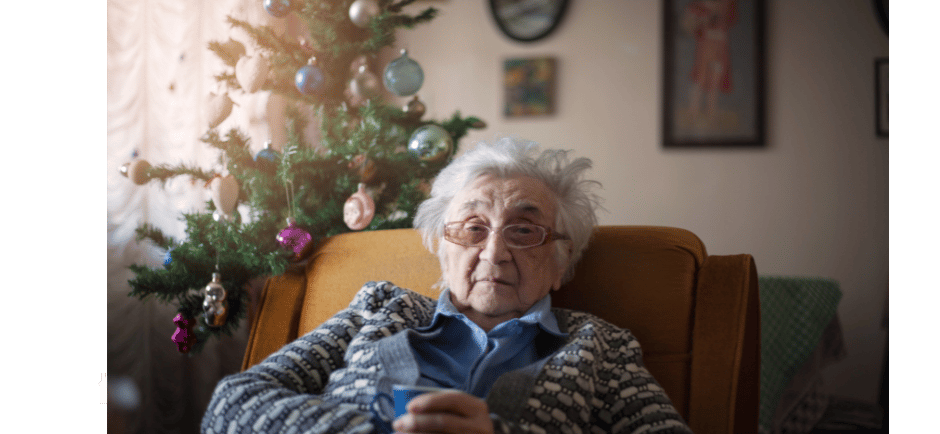
This week alone, every enquiry we’ve received at Homeshare North East has come from adult children worried about their mum, or older female relatives living by themselves. And they all describe the same thing:
“She’s managing… but she seems so alone.”
If this sounds familiar, you’re not alone and neither are the thousands of families feeling the same concern right now.
As winter arrives, nights stretch longer. Streets quieten. Social activities reduce.
For older people, especially those recently bereaved or living with health challenges, this can make home feel:
Too quiet
Too empty
Too dark
Too isolating
Too overwhelming
Evenings feel longer when you’re alone with no conversation, no sounds in the house, and no company to share dinner or a cup of tea with. What was once comforting solitude can slowly turn into something more worrying: loneliness, anxiety, and a drop in confidence.
Many adult children tell us:
“She doesn’t want to bother anyone.”
“She’s eating less because she doesn’t like cooking for just herself.”
“She seems nervous in the evenings.”
“She’s not going out as much.”
“She brushes off how lonely she feels.”
"She's always grown up with a house full of people. She's now alone."
These are all incredibly common signs.
Winter brings practical challenges too. For older people living alone, winter also makes everyday tasks harder:
Going to the shops in the cold
Managing the house when mobility is reduced
Feeling nervous about slipping on ice
Coping when they’re unwell
Eating well when motivation dips
Navigating darker evenings
Even people who are “managing fine” can start to struggle emotionally or practically but don’t want to trouble their children or ask for help.
This is where Homeshare often becomes a lifeline.
Homeshare matches an older person living alone with a kind, carefully vetted Homesharer who offers:
Company in the evenings
Shared meals
Light help with daily tasks
Reassurance that someone else is in the house
Warm conversation and companionship
It’s a gentle, human, relationship-based approach that brings warmth back into a quiet home, especially during winter.
Families often tell us the same thing:
“Knowing someone is there overnight brings us enormous peace of mind.”
For the older person, it’s the difference between coping and feeling supported, connected, and safe.
Winter amplifies the reality of living alone, and many adult children begin to feel:
Uncomfortable with how isolated their parent is
Worried something could happen overnight
Guilty for not living nearer
Unsure how to help without taking over
Concerned that loneliness could affect health
The truth is, your concern is valid. Loneliness is linked to a higher risk of depression, falls, cognitive decline, and poor wellbeing.
And with nights drawing in, it's natural to think more about how your loved one is really coping.
Homeshare, for many families, it’s the missing piece - a safe, supportive arrangement that keeps an older person independent and emotionally connected.
Homeshare might be a good fit if your parent or relative:
✔ Lives alone
✔ Has a spare room
✔ Doesn’t need personal care
✔ Would benefit from company
✔ Feels isolated or anxious on dark nights
✔ Wants to stay in their own home
✔ Just needs “a little help”
If this sounds familiar, you’re welcome to reach out for an informal chat.
This winter, no older person should feel alone in the place where they should feel safest: home.